Insert Core Box Router Bit
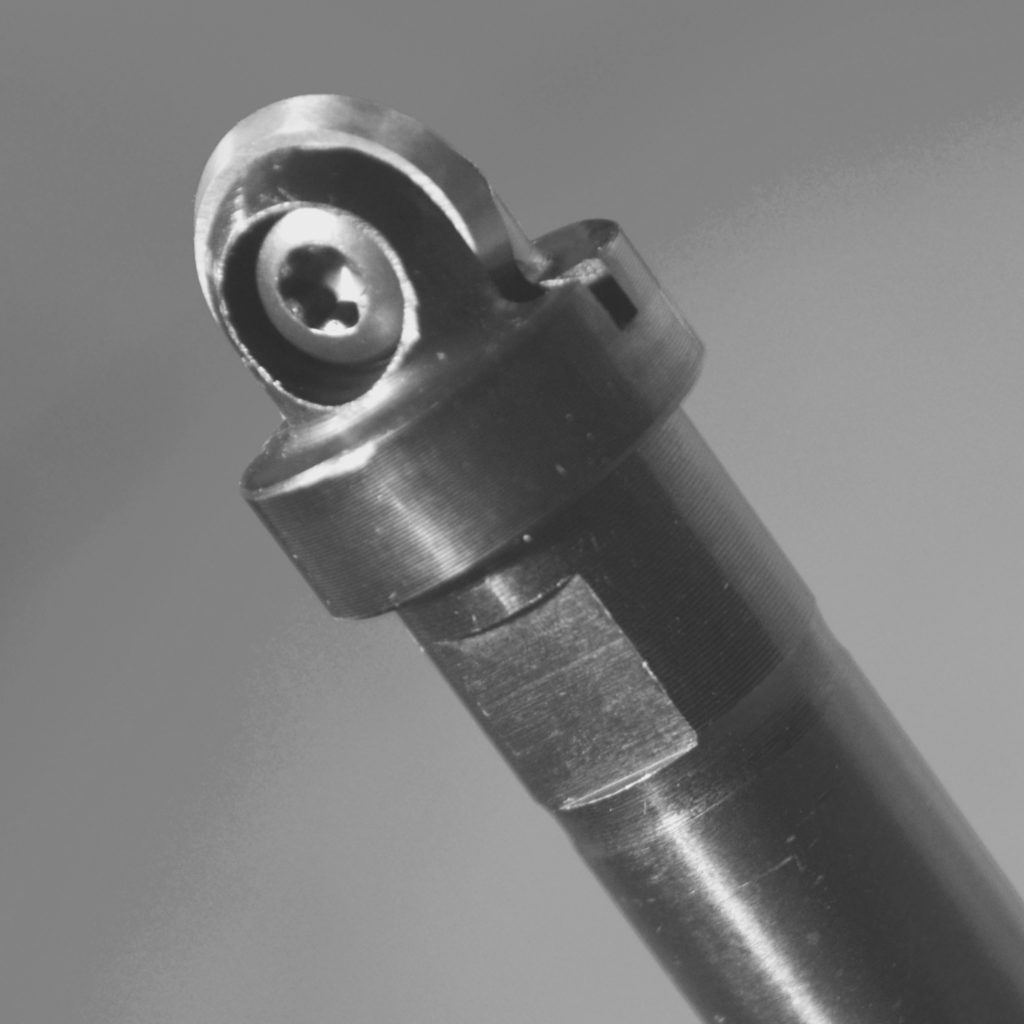
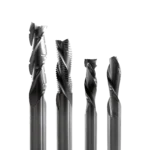
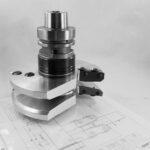
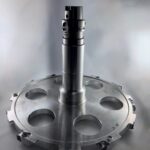
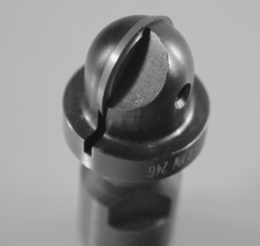
This popular Insert Core Box Router Bit provides constant diameter and long tool life due to its micro grain carbide insert, that can be rotated 180 degrees for a brand new cutting edge!
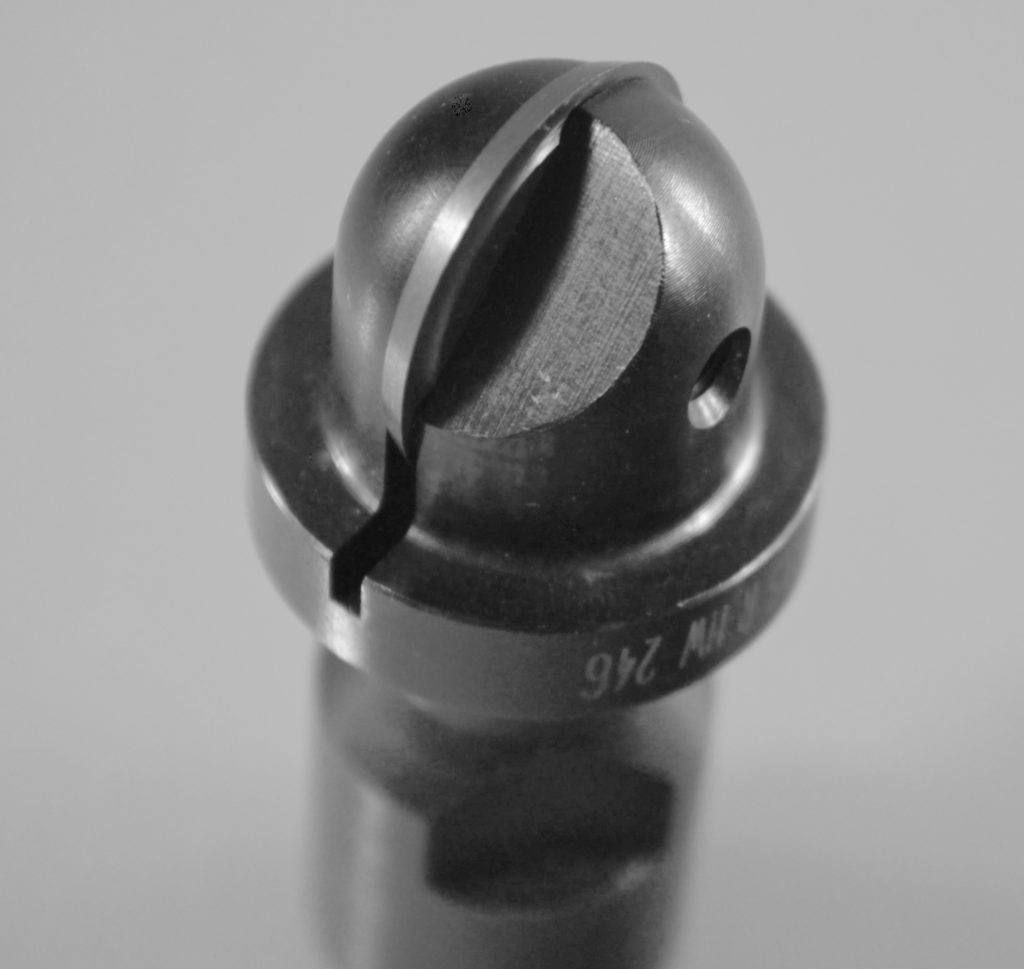
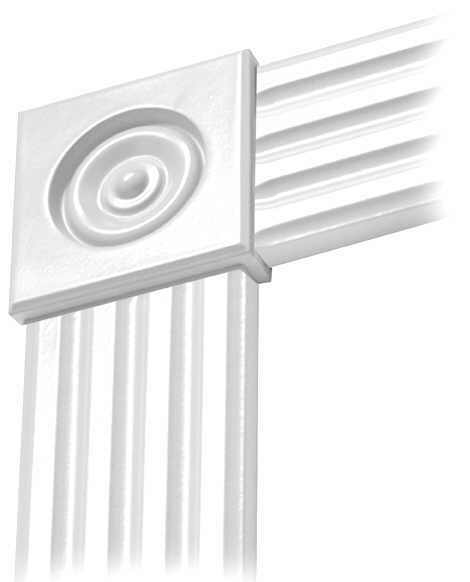
This tool very efficiently produces fluted mouldings, columns and can also be used in the production of signs and decorative work or to cut cove moulding.
Available in 3 sizes: ½” diameter (1/4”R), 5/8” diameter (5/16”R) and ¾” diameter (3/8”R).
FAQ
A ballnose router bit has a rounded cutting tip that is designed to machine curved surfaces, contours and three-dimensional profiles. Ballnose bits are commonly used for 3D carving, mold and pattern work, sculpted surfaces, radius cuts and finish machining on CNC routers and machining centers.
A flat-end bit produces a flat-bottom cut and is typically used for profiling, pocketing and general material removal. A ballnose bit has a rounded cutting end that follows curved and contoured surfaces more smoothly, making it better suited for 3D machining and finishing complex shapes.
Depending on the tool geometry, solid carbide ballnose bits can be used to machine solid wood, MDF, plywood, plastics, composites, fiberglass and certain non-ferrous materials. The correct flute geometry and cutting parameters should always be matched to the specific material.
Yes. Ballnose router bits are widely used for 3D CNC carving because the rounded cutting edge can follow changes in surface height and direction while producing a smooth, contoured finish. Smaller ballnose diameters generally allow greater detail, while larger diameters can machine larger areas more efficiently.
The best diameter depends on the size and detail of the part, required surface finish, machining depth and desired production speed. That said, there are minimum diameters required for an insert tool of about 20mm. Smaller-diameter ballnose bits are useful for fine detail and tight contours, while larger tools can remove material more efficiently and reduce machining time on broader surfaces.
Yes, although the optimum tool may differ for each operation. A larger or more aggressive tool is often used for roughing to remove material efficiently, followed by a smaller ballnose bit for the final finishing pass. This can reduce machining time while still producing a detailed, smooth surface.
Surface finish is affected by tool diameter, stepover, feed rate, spindle speed, tool sharpness and machine rigidity. Reducing the stepover between passes generally produces a smoother finished surface, although it also increases machining time.
Consider the material being machined, required radius or detail, cutting depth, desired surface finish, machine type, spindle speed and feed rate. GDP Tooling can help recommend the appropriate ballnose geometry and cutting parameters for your CNC application.
Both can produce rounded grooves and concave profiles. A solid carbide ballnose tool is particularly versatile for CNC contouring and 3D machining. For repetitive production of certain fixed-radius grooves, an insert-style core box cutter with replaceable cutting edges may be more economical.