Collet Maintenance: The Most Overlooked Factor in Tool Life and Performance
Poor collet maintenance is one of the most common—and most preventable—causes of premature tool wear, poor cut quality, excessive spindle vibration, and costly tool breakage.
A router bit can only perform as well as the system holding it. Even the highest-quality cutting tool will fail to achieve its expected performance if the collet is unable to grip the tool shank evenly and securely. A few minutes spent inspecting and maintaining your collets and tool holders can significantly improve machining results while reducing tooling costs.
Why Collet Maintenance Matters
The collet is responsible for transmitting spindle power to the cutting tool while maintaining precise concentricity. Any contamination, wear, or damage within the collet system can create runout, vibration, and tool slippage.
Common symptoms of poor collet maintenance include:
- Reduced tool life
- Poor edge quality and finish
- Increased spindle vibration
- Excessive heat generation
- Tool pull-out or slippage
- Broken tooling
- Increased spindle and bearing wear
The following areas require regular inspection and maintenance.
Internal Collet Surfaces
The most critical surface in the entire tool holding system is the inside diameter of the collet.
During machining, fine wood dust, resins, adhesives, and other contaminants migrate through the expansion slots of the collet and accumulate near the front end of the bore. Over time, this buildup prevents the collet from gripping the tool shank uniformly along its entire length.
When the gripping pressure becomes uneven, the tool can begin to vibrate, resonate, or slip within the collet. This movement not only reduces machining accuracy but can quickly lead to tool failure.
One of the most common indicators of tool slippage is “collet burn.” This appears as brown or black discoloration on the tool shank where friction and heat have caused resin deposits to accumulate. If collet burn is visible, the collet should be inspected and cleaned immediately.
Cleaning Recommendation
The most effective method is using a brass tube-style collet cleaning brush. Brass brushes are aggressive enough to remove resin and debris while remaining non-destructive to the precision-ground collet surfaces.
Compressed air alone is rarely sufficient, and solvents often fail to remove hardened resin deposits.
Internal Tool Holder Taper
The internal taper of the tool holder is another frequently overlooked area.
Dust, resin, corrosion, and debris can accumulate between the tool holder taper and the collet. Even a small amount of contamination can prevent proper seating, creating runout that negatively impacts tool performance and spindle life.
The taper should be inspected regularly and cleaned whenever the collet is removed.
A clean taper ensures:
- Maximum clamping force
- Improved concentricity
- Reduced vibration
- Longer spindle bearing life
External Collet Taper
The outside tapered surface of the collet mates directly with the tool holder and must remain clean and free of damage.
Any residue, dust, or contamination trapped between these mating surfaces can prevent the collet from collapsing evenly around the tool shank.
Inspect the external taper during every tool change and remove any buildup using an appropriate cleaning brush or lint-free cloth.
Never use abrasive materials that could alter the precision-ground taper surface.
Collet Replacement
Even with proper cleaning, collets are wear items and should be replaced on a regular schedule.
Repeated expansion and contraction eventually causes the spring steel to fatigue, reducing clamping force and accuracy.
As a general rule:
Replace collets every 500 machine hours or approximately every six months in high-production environments.
Considering that most collets cost approximately $30–$50, replacement is inexpensive insurance against:
- Tool breakage
- Scrap material
- Machine downtime
- Potential spindle damage
A worn collet often costs far more than its replacement value.
Collet Nut Maintenance
The collet nut plays an important role in achieving proper clamping force.
The internal taper and threads of the nut should be inspected regularly and kept free from:
- Dust
- Resin buildup
- Burrs
- Thread damage
Contamination in the nut can force the collet out of alignment, resulting in uneven clamping pressure and premature wear.
Lubrication
Apply a light coating of dry lubricant to the threads to ensure smooth assembly and accurate torque transfer. Avoid excessive oil-based lubricants that can attract dust and debris.
Upgrade to Ball Bearing Collet Nuts
For optimal performance, replace conventional static nuts with precision ball bearing collet nuts.
Ball bearing nuts reduce friction during tightening, allowing the collet to seat more evenly and apply more consistent clamping pressure to the tool shank.
Benefits include:
- Improved concentricity
- Reduced runout
- Better tool life
- More consistent clamping force
- Easier tool changes
This relatively small upgrade can have a noticeable impact on machining performance, particularly in high-speed CNC applications.
Best Practices Summary
To maximize tool life and machining performance:
✓ Clean the inside of the collet regularly
✓ Inspect and clean the tool holder taper
✓ Keep the external collet taper free of contamination
✓ Inspect the collet nut for damage and debris
✓ Use dry lubricant on nut threads
✓ Replace worn collets every 500 machine hours
✓ Upgrade to ball bearing nuts whenever possible
✓ Investigate any signs of collet burn immediately

Proper collet maintenance requires only a few minutes but can dramatically reduce tooling costs, improve part quality, and prevent unnecessary machine downtime.
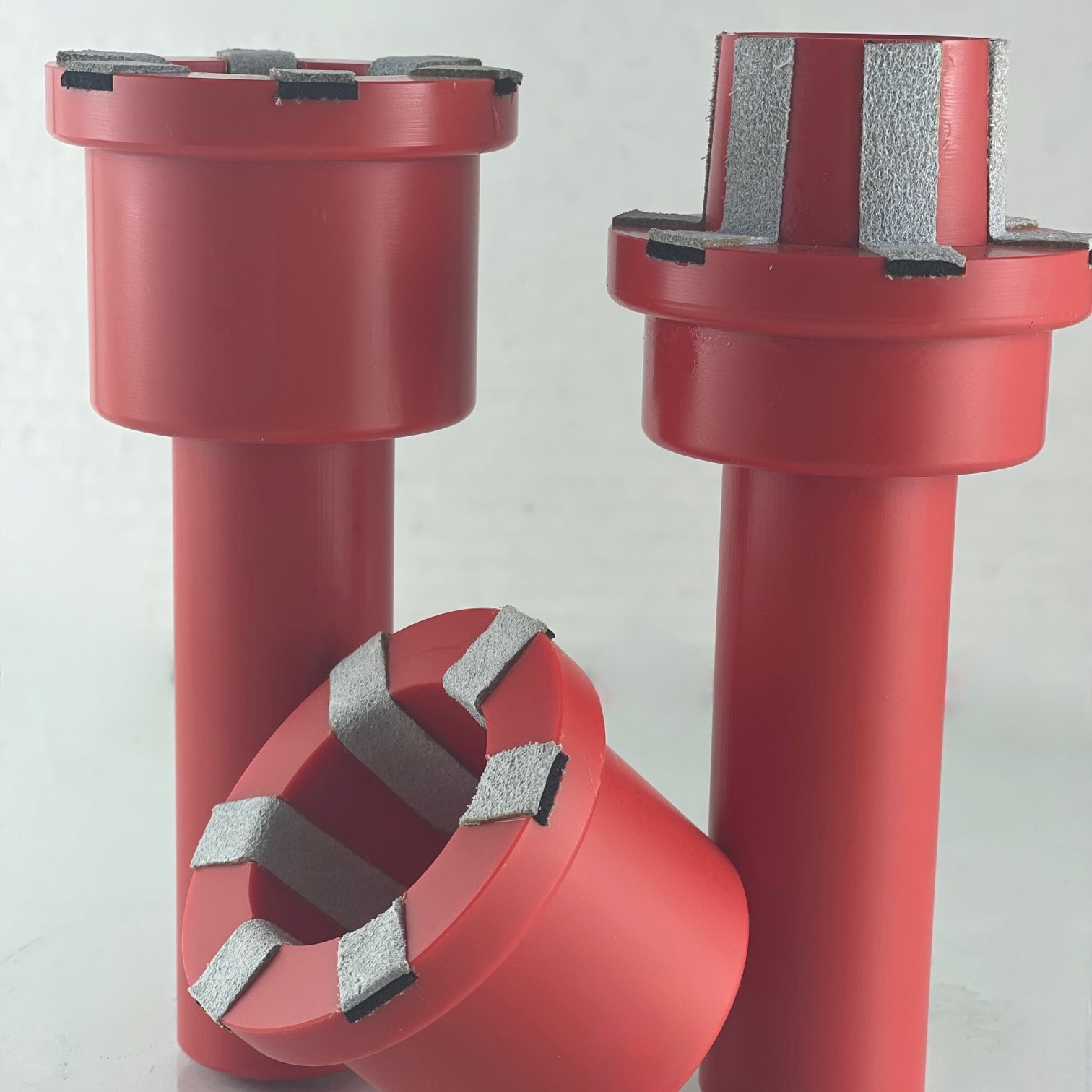
Below is a selection of collet cleaning and maintenance tools available for ISO and HSK tool holders.