Choosing the right CNC tooling is about much more than matching a tool diameter to a machine.
The workpiece material, cutting operation, machine, spindle, toolholding, required finish, production volume, and cutting parameters all affect which tool will perform best.
The right combination can deliver better edge quality, longer tool life, faster production, and lower cost per part. The wrong combination can result in excessive heat, poor finish, vibration, premature wear, tool breakage, and unnecessary downtime.
GDP Tooling supplies industrial cutting tools for professional CNC and manufacturing applications, including solid carbide and PCD router tooling, saw blades, drills, cutter heads, aggregate tooling, toolholders, collets, and custom-engineered cutting tools.
This guide covers the major factors to consider when selecting CNC tooling and getting the best performance from it.
What Is CNC Tooling?
CNC tooling includes the cutting tools and related components used to machine a workpiece on computer numerical control equipment.
Depending on the machine and application, this can include:
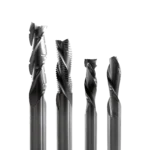
- Router bits
- Drills
- Saw blades and groovers
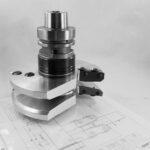
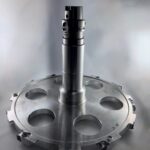
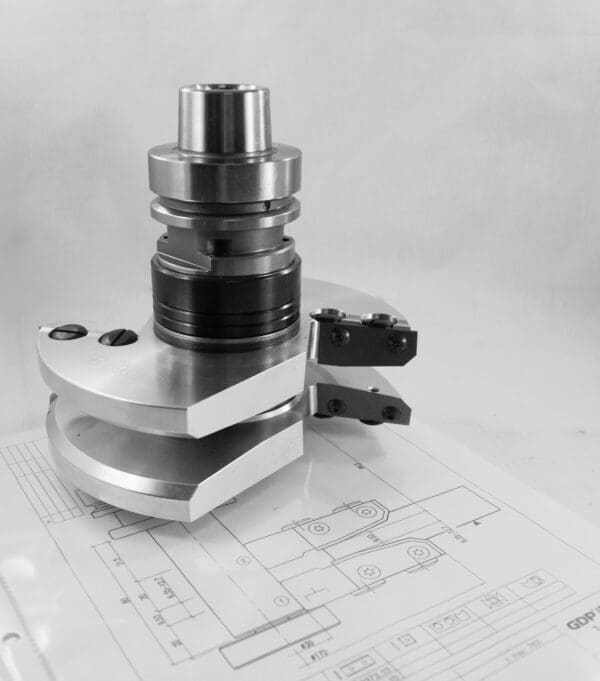
- Cutter heads and insert tooling
- PCD cutting tools
- Aggregate heads
- Toolholders
- Collets and adapters
The CNC machine controls the movement, but the cutting edge does the actual work.
Tool geometry, cutting-edge material, diameter, flute configuration, cutting direction, tool projection, and clamping all influence how effectively that tool cuts.
Why Tool Selection Matters
The correct CNC tool can directly affect:
- Surface and edge quality
- Tool life
- Feed rate and production speed
- Cutting forces
- Heat generation
- Chip evacuation
- Machine load
- Vibration
- Process consistency
- Cost per part
Tool selection should therefore begin with the application, not simply the machine or tool diameter.
Two tools of identical diameter can perform very differently because of their cutting geometry, flute design, carbide grade, cutting-edge material, or intended application.
Start With the Material
The material being machined is one of the most important considerations when selecting CNC tooling.
Solid Wood
Wood species, grain direction, moisture content, cutting direction, and required finish all affect tool selection.
Sharp carbide tooling with the appropriate cutting geometry can provide clean, controlled cuts while helping minimize tear-out and cutting forces.
Tool geometry may also be selected specifically for the desired edge finish—for example, an upcut, downcut, or compression geometry.
Engineered Wood and Panels
MDF, particleboard, plywood, melamine, laminates, and other engineered panels can be highly abrasive.
Solid carbide tooling is commonly used, while PCD tooling can provide significantly longer tool life in high-production applications, particularly when machining abrasive materials.
The optimum choice depends not simply on tool price, but on cost per panel or part, including tool life, machine time, tool changes, sharpening, and downtime.
Plastics
Plastic machining requires sharp cutting edges, proper geometry, effective chip evacuation, and appropriate spindle speed.
Too much heat can cause melting, poor edge quality, or material buildup on the cutting edge.
Single-flute and other plastic-specific geometries are used to provide greater chip space and efficient chip evacuation.
Composite Materials
Composite materials can present some of the most demanding CNC cutting applications.
Materials such as:
- CFRP
- GFRP/fiberglass
- Phenolics
- Honeycomb
- Syntactic foam
- Fiber cement
- Multilayer structural panels
may cause rapid tool wear, delamination, fraying, fiber pullout, or poor edge quality if the wrong cutting geometry is used.
Application-specific carbide, PCD, compression, burr-style, or other specialized geometries may be required depending on the material construction and operation.
GDP Tooling also develops custom tooling for composite and advanced-material applications where standard tools cannot provide the required performance.
Choosing the Right Router Tool Geometry
Once the material has been identified, the cutting operation and required finish help determine the appropriate geometry.
Upcut Router Bits
An upcut geometry pulls chips upward and out of the cut, providing effective chip evacuation.
Upcut tools are commonly used where efficient chip removal is important, but the upward cutting action may affect the top edge of some laminated or fibrous materials.
Downcut Router Bits
A downcut geometry pushes the cutting action downward toward the workpiece.
This can help protect the top surface of laminated panels and other materials where top-edge finish is important.
Because chips are directed downward, chip evacuation and cutting depth must be considered carefully.
Compression Router Bits
Compression tools combine upcut and downcut cutting geometry.
When properly applied, the cutting forces are directed toward the center of the material, helping produce clean top and bottom edges in laminated panels, plywood, and similar materials.
Correct cutting depth is particularly important with compression tooling so that both cutting geometries engage the workpiece as intended.
Roughing Tools
Roughing geometries are designed for efficient material removal and reduced cutting forces when finish quality is not the primary objective of the operation.
A separate finishing pass may then be used where necessary.
Plastic-Cutting Tools
Plastic-specific tooling typically incorporates highly polished cutting edges and geometry designed for efficient chip evacuation.
The objective is to cut cleanly and remove the chip before excessive heat develops.
Carbide or PCD?
Both carbide and polycrystalline diamond (PCD) tooling have important roles in CNC manufacturing.
Solid Carbide
Solid carbide provides:
- Sharp cutting edges
- A wide range of available geometries
- Good performance across many materials
- Lower initial tool cost
- Multiple sharpening opportunities for many tool designs
- Specific carbide grades dedicated for different materials
It is often the best choice for lower-volume production, applications requiring very sharp geometries, and operations where tool flexibility is important.
PCD
PCD provides exceptional wear resistance and can offer dramatically longer tool life in abrasive materials.
It is particularly well suited to high-production machining of materials such as:
- MDF and particleboard
- Laminates
- Fiberglass and composites
- Fiber cement
- Other abrasive engineered materials
PCD tooling typically has a higher initial cost than carbide, but initial tool price is only one part of the equation.
A tool that costs more but machines substantially more parts between tool changes may deliver a significantly lower cost per part.
For production environments, that is often the more meaningful comparison.
Toolholding Matters Too
Even the best cutting tool cannot perform properly if it is not held correctly.
Toolholders, collets, and spindle interfaces influence:
- Runout
- Tool rigidity
- Vibration
- Cutting-edge loading
- Surface finish
- Tool life
Collets and toolholders should be kept clean and inspected regularly.
Excessive runout causes the cutting edges to carry unequal loads. Instead of each flute removing approximately the same amount of material, one cutting edge may do substantially more work than the others.
The result can be premature wear, poor finish, vibration, and shortened tool life.
Tool projection should also be kept to the minimum necessary for the operation. Excessive projection reduces rigidity and increases the potential for deflection and vibration.
Feeds, Speeds, and Chip Load
Selecting the right tool is only part of the equation. It must also be operated correctly.
The primary cutting parameters include:
- Spindle speed (RPM)
- Feed rate
- Chip load
- Depth of cut
- Radial engagement or stepover
Recommended feeds, speeds, and chip loads should always be considered starting points.
The optimum parameters depend on the complete machining setup—including machine rigidity, spindle power, toolholding, cutting depth, material, tool geometry, and required finish.
Don’t Assume Slower Is Better
A common mistake is reducing feed rate whenever there is concern about tool life.
If feed rate becomes too low relative to RPM, the cutting edge takes too small a chip and can begin rubbing rather than cutting efficiently.
Rubbing generates heat and can accelerate cutting-edge wear.
Within an appropriate operating range, a larger properly formed chip can carry more heat away from the cutting edge and contribute to longer tool life.
The objective is to find the highest practical chip load that maintains the required finish and stable cutting conditions.
GDP Tooling’s Chip Load Calculator and recommended chip load ranges provide a starting point. From there, feed rate and RPM can be optimized at the machine to find the application’s sweet spot.
Cutting Depth Matters
Recommended chip load ranges generally assume a cutting depth approximately equal to the tool diameter.
Deeper cuts increase tool engagement and cutting forces and may require reduced chip load.
As a starting guideline:
- At approximately 2× tool diameter cutting depth, reduce recommended chip load by approximately 20–25%.
- At approximately 3× tool diameter cutting depth, reduce it by approximately 40–50%.
- When using a downcut spiral for dados or grooves, feed rate may need to be reduced by approximately 30%.
These values are starting points. Actual cutting performance should determine the final settings.
How to Extend CNC Tool Life
Long tool life begins with selecting the correct tool, but several other factors are equally important.
Maintain Proper Chip Load
Avoid running a tool so slowly that it rubs rather than cuts. Proper chip formation helps control heat and cutting-edge wear.
Control Runout
Check collets, toolholders, and spindle interfaces regularly. Excessive runout creates uneven cutting-edge loads and premature wear.
Keep Toolholding Components Clean
Dust, resin, chips, and contamination between the tool shank and collet or holder can interfere with proper clamping and concentricity.
Use Proper Tool Insertion and Clamping
The tool must be inserted to the appropriate gripping depth and securely clamped.
Insufficient shank engagement or improper clamping can reduce holding force and contribute to vibration, tool movement, and premature failure.
Minimize Tool Projection
Use only as much tool projection as the application requires. The farther a cutting tool extends from the holder, the greater the potential for deflection.
Inspect Cutting Edges
Look for:
- Wear
- Chipping
- Material buildup
- Discoloration
- Uneven wear
- Edge damage
Changes in cut quality, machine sound, spindle load, or required feed rate can also indicate that a tool needs attention.
Sharpen Before Excessive Wear Develops
Many carbide and PCD tools can be professionally sharpened.
Waiting too long can cause wear or damage that makes the tool more difficult—or impossible—to restore economically.
When Custom Tooling Makes Sense
A standard catalog tool is not always the most economical solution.
Custom CNC tooling may make sense when an application requires:
- Multiple operations combined into one tool
- Special profiles
- Unusual dimensions
- Reduced cycle time
- Improved finish
- Better chip evacuation
- Longer tool life in difficult materials
- Specialized composite machining
- High-volume repetitive production
A custom tool may cost more initially while reducing machining time, tool changes, secondary operations, or scrap.
Again, the most useful measurement is often cost per finished part, not purchase price per tool.
Frequently Asked Questions
How do I choose the right CNC tooling?
Start with the workpiece material and cutting operation. Then consider the machine, spindle, required finish, cutting depth, production volume, toolholding, and appropriate tool geometry.
What is the difference between carbide and PCD cutting tools?
Carbide provides sharp cutting edges, broad geometry options, and good performance across many applications.
PCD provides substantially greater wear resistance and can offer much longer tool life when machining abrasive materials. The best choice depends on the application, production volume, required finish, and overall cost per part.
How can I prevent premature CNC tool wear?
Use the correct tool geometry, maintain an appropriate chip load, control runout and vibration, keep toolholding components clean, use adequate shank engagement, minimize unnecessary tool projection, and inspect cutting edges regularly.
What CNC tooling is suitable for composites?
There is no single tool that is ideal for every composite.
Tool selection depends on fiber type, resin system, material construction, thickness, cutting operation, machine, and required edge quality. Application-specific carbide and PCD geometries are commonly used, and difficult applications may require custom tooling.
When should a tool be sharpened?
A cutting tool should be serviced before excessive wear or cutting-edge damage develops.
Successful CNC machining requires more than selecting a cutting tool from a catalog.
The best results come from matching the tool, material, machine, toolholding, and cutting parameters to the actual application, and then optimizing the process based on cutting performance.
GDP Tooling supplies solid carbide and PCD cutting tools, router tooling, industrial saw blades, drills, cutter heads, aggregate tooling, tool-clamping systems, and custom-engineered tooling for professional manufacturing applications.
We also provide sharpening services, chip load resources, and technical application support to help manufacturers achieve what ultimately matters:
Better finish. Longer tool life. Higher productivity. Lower cost per part.