Custom Composite Tools For CFRP & GFRP
Call for Price
- Performance Guarantee
- Price Match Promise
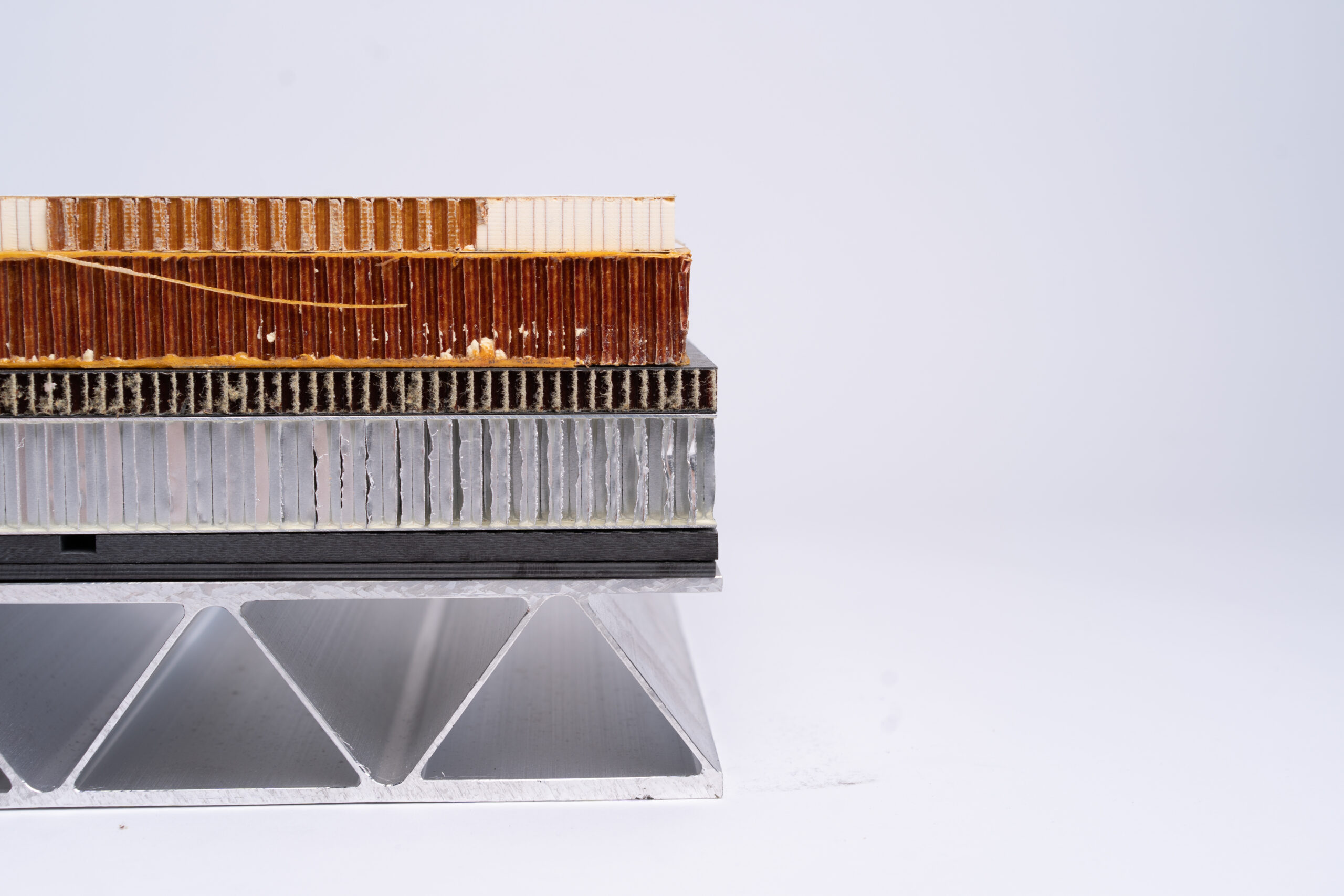
Modern composite materials can be extremely challenging to machine efficiently. Carbon fiber, fiberglass, G10, honeycomb, foam core, syntactic foams and multi-layer sandwich panels each present different cutting characteristics—and some combine several very different materials within a single workpiece.
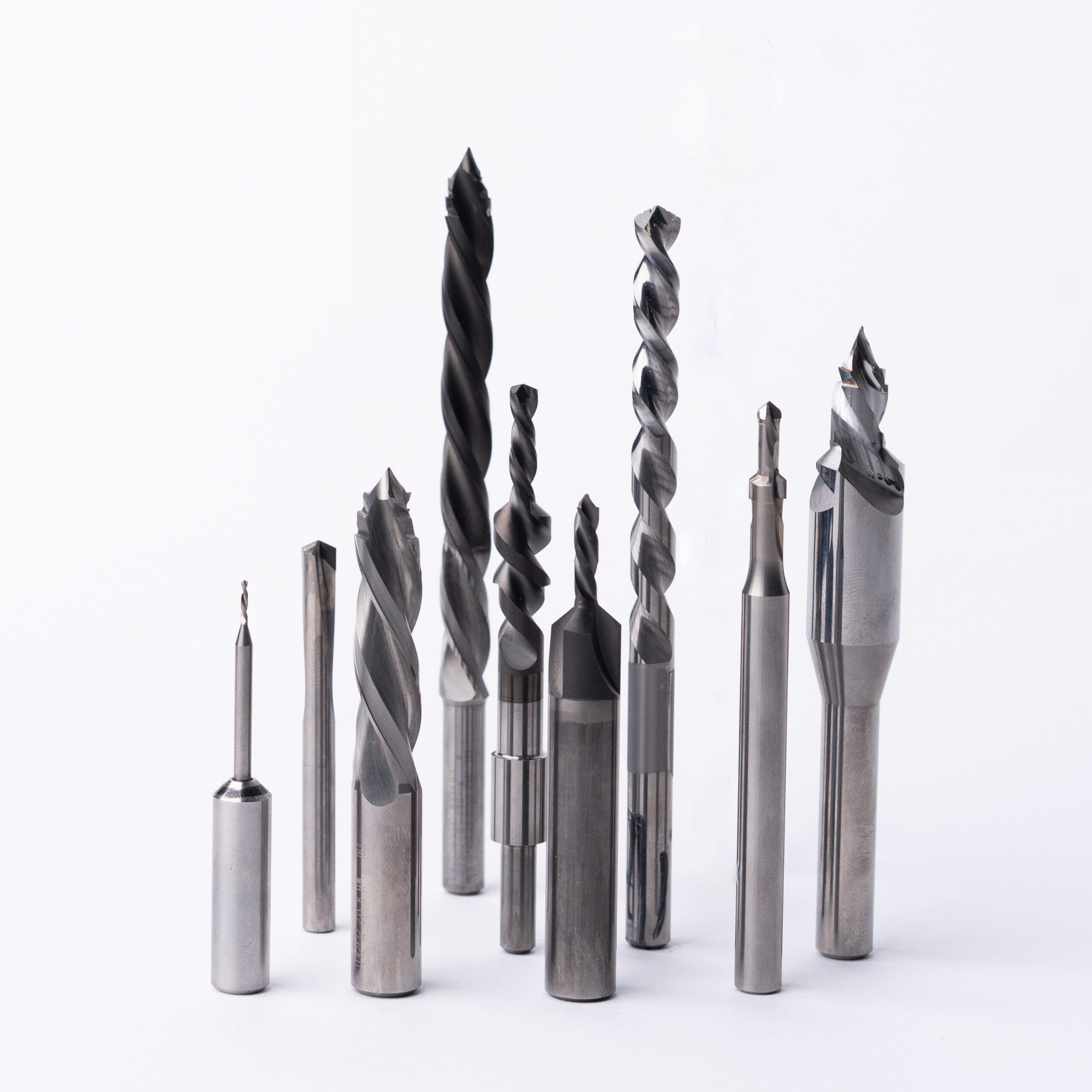
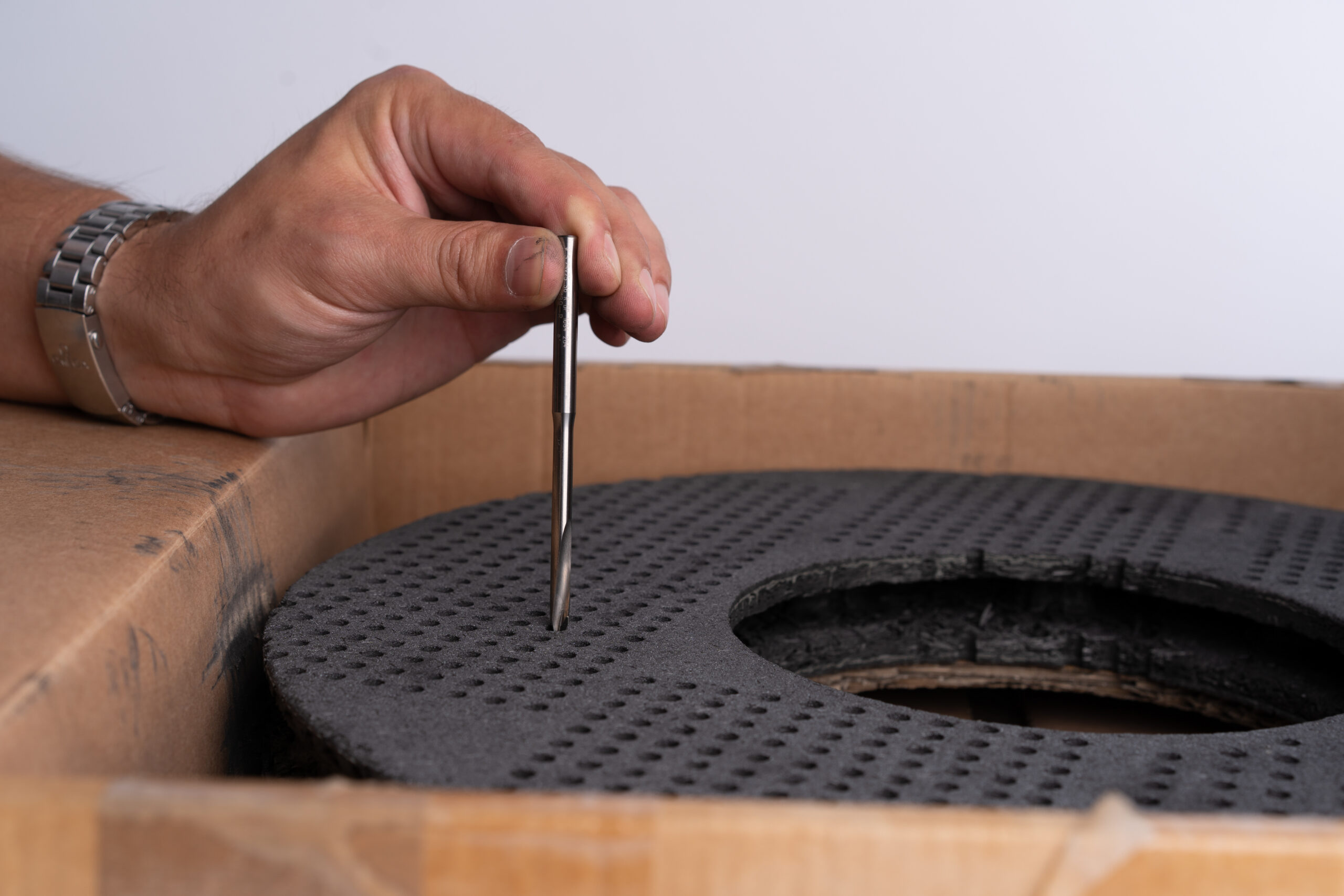
At GDP Tooling, we develop Custom Composite Cutting Tools in PCD and carbide – engineered specifically for composite machining applications. Rather than simply matching a cutter to a material, we evaluate the complete application: material composition and thickness, layer and core construction, machining operation, required edge quality, machine type, spindle speed, available feed rate and toolholding system.
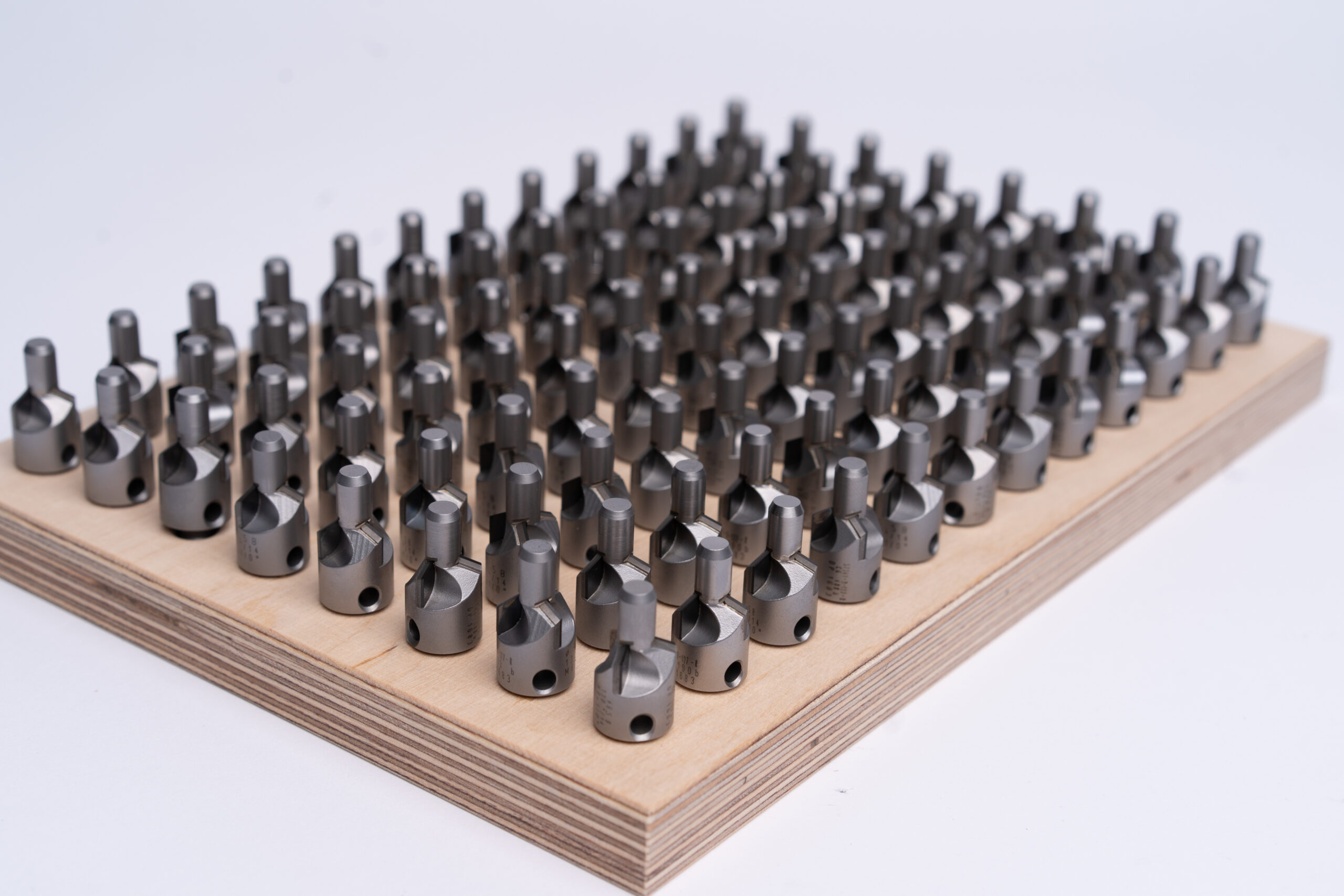
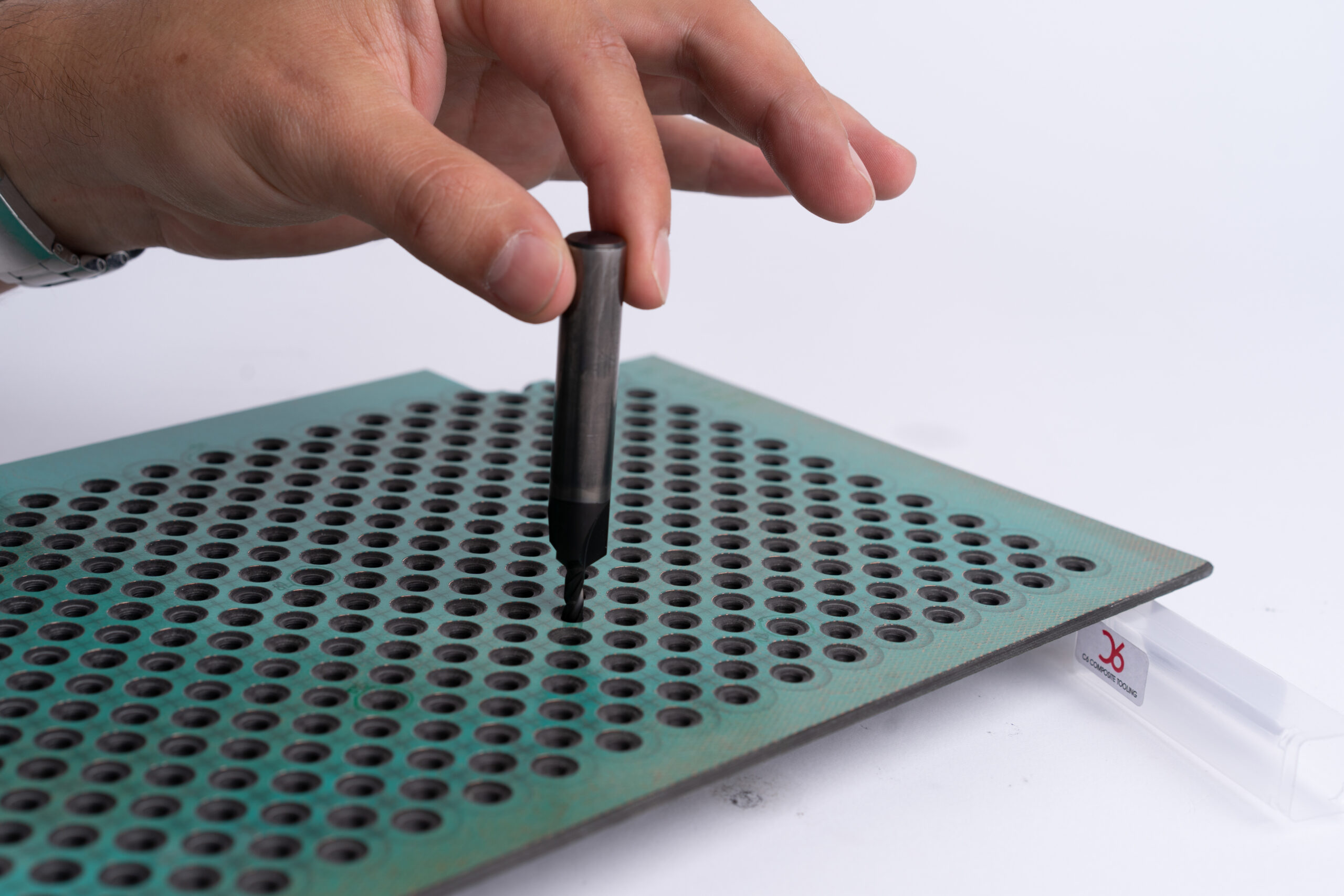
Custom tooling can be engineered for sizing, profiling, trimming, through-cutting, grooving, pocketing, step-cutting, drilling, countersinking, counterboring and combination operations, with designs focused on maximizing productivity, cut quality and tool life while minimizing delamination, fraying, breakout and secondary finishing.
Have a Question?
Ask about this product
Custom Composite Tools For CFRP & GFRP
Custom Cutting Tools for Advanced Composite Materials
Composite materials are rarely difficult to machine for just one reason. Abrasive fibers, varying densities, heat-sensitive resins, thin laminates, soft cores and dissimilar layers can all be present within the same workpiece. A cutting tool that performs well in one layer may produce excessive wear, delamination, fraying, breakout or poor edge quality in another.
That is why successful composite machining requires more than selecting a cutter from a catalog. The cutting tool, geometry, cutting material and machining parameters must work together as a system.
At GDP Tooling, we develop custom PCD and carbide cutting solutions around the complete application—with the objective of achieving the required finish at the highest practical productivity and longest usable tool life.
Materials We Machine
Custom tooling can be engineered for a broad range of composite and engineered materials, including:
- Carbon Fiber Reinforced Polymer (CFRP)
- Fiberglass Reinforced Polymer (FRP/GFRP)
- G10 and glass-filled materials
- Phenolic composites
- Syntactic foams
- Structural foam and foam-core materials
- Nomex and other honeycomb structures
- Sandwich panels
- Aluminum-faced foam and honeycomb panels
- Multi-layer and hybrid composites
- Other highly abrasive or difficult-to-machine engineered materials
For multi-layer composites, understanding the complete construction is particularly important. A sandwich panel, for example, may require the cutting edge to transition from a thin aluminum or composite facing into a lightweight foam or honeycomb core and then back through another facing—all during a single cut.
Tool geometry must therefore be engineered to address the cutting characteristics of every material the tool encounters, not simply the predominant material.
Engineered Around the Application
Before recommending or designing a custom composite tool, we look at three critical areas: the material, the operation and the machine.
1. Material Construction
We want to know exactly what the tool will be cutting:
- Overall material thickness
- Fiber and resin composition
- Individual layer thicknesses
- Fiber orientation where applicable
- Core material and density
- Facing or laminate materials
- Aluminum or other metallic layers
- Adhesive layers
- Required finished-edge quality
These details can significantly influence cutting geometry, tool material and the appropriate machining parameters.
2. Machining Operation
Custom tooling can be designed for:
- Sizing and edge trimming
- Profiling and contouring
- Through-cutting
- Grooving and slotting
- Pocketing
- Step-cutting
- Drilling
- Countersinking
- Counterboring
- Multiple operations performed with a single combination tool
Where practical, combining multiple machining steps into one custom tool can eliminate tool changes and secondary operations, reduce cycle time and improve dimensional consistency.
3. Machine & Production Requirements
The best cutting tool still has to work within the capabilities of the machine.
Our application review considers machine type, spindle speed, horsepower, maximum available feed rate, toolholder or clamping system, part fixturing, depth of cut and production requirements.
Feed rate and chipload are particularly important. Running a tool too slowly can generate unnecessary rubbing and heat, while excessive feed can compromise edge quality or exceed the capabilities of the machine or workholding system. The objective is to establish cutting parameters that allow the tool geometry to perform as designed.
PCD Tooling for Abrasive Composites
Highly abrasive composites can rapidly wear conventional carbide cutting edges. For the right application, PCD (polycrystalline diamond) tooling can provide substantially longer usable tool life, helping reduce tool changes, machine downtime and cost per finished part.
PCD can be particularly effective in high-volume applications involving abrasive materials such as CFRP, fiberglass, G10 and other fiber-reinforced composites.
However, PCD is not automatically the best solution for every composite application. Material construction, production volume, required geometry, machine conditions and economics all need to be considered.
Our objective is to recommend the cutting-tool solution that makes sense for the application—not simply the most expensive tool.
Custom Tool Geometry Can Solve More Than Tool Wear
Tool life is only one measure of successful composite machining.
Custom geometry can also be developed to address common production problems such as delamination, fiber pullout, fraying, breakout, poor surface finish, excessive cutting pressure and secondary finishing requirements.
Depending on the application, specialized cutting geometries can control cutting forces and direct them toward the workpiece rather than away from it. This can be particularly valuable when machining laminated materials where maintaining clean top and bottom surfaces is critical.
For complex profiles or multi-layer materials, custom tooling may also incorporate different cutting features within a single tool so each section of the cutter performs a specific operation.
The result can be a cleaner finished part, fewer machining steps and a more repeatable manufacturing process.
More Than a Custom Tool — A Production Solution
With more than 40 years of diamond tooling expertise, GDP Tooling works closely with customers and our engineering and manufacturing partners to solve difficult machining applications.
We don’t begin with the question, “Which tool can we sell you?”
We begin with:
What are you cutting? What result do you need? And what is preventing you from achieving it efficiently today?
From there, we can evaluate the application and develop a tooling recommendation designed around the material, machine and production objective.
Our goal is a repeatable production solution that improves productivity, edge quality and tool life while reducing downtime, rework and overall machining cost.
All custom tooling is backed by GDP Tooling’s performance-based satisfaction guarantee.
Extend the Life of Your PCD Investment
The economics of PCD tooling don’t end when the original cutting edge becomes dull.
GDP Tooling operates a North American PCD service center providing precision PCD sharpening and repair with a typical one-week turnaround.
Where tool condition permits, servicing can restore cutting performance and extend the useful life of the original tooling—helping lower overall cost per part while avoiding unnecessary replacement.
Keeping PCD service in North America also means valuable production tooling doesn’t have to spend weeks traveling overseas for routine sharpening.
Have a Difficult Composite Cutting Application?
Some of the best candidates for custom tooling are the applications that have already proven difficult with standard tools.
If you’re experiencing short tool life, poor edge quality, delamination, fraying, excessive cycle time or multiple secondary operations, let us review the application.
Complete the appropriate Quote Request Form below and email it to sales@gdptooling.com.
Please provide as much information as possible about the material composition, thickness and layer construction, machining operation, machine type, spindle speed, available feed rate and current tooling or machining problem.
The more we know about the application, the better we can engineer the cutting solution around it. Please complete the appropriate quotation request form below.
QUOTE REQUEST FOR PCD MILLING CUTTERS
QUOTE REQUEST FOR PCD DRILL BITS
QUOTE REQUEST FOR PCD SAW BLADES
QUOTE REQUEST FOR COUNTERSINK/COUNTERBORE BITS
QUOTE REQUEST FOR SOLID CARBIDE BITS